
If you spend any time around car enthusiasts in the United States, you have probably heard people talk about “200-treadwear tires” like they are the sweet spot between street use and track-ready grip. They come up in discussions about autocross, canyon driving, weekend events, and aggressive street setups. For many drivers, they sound like the perfect solution: more grip than a regular summer tire, sharper steering feel, and a more serious performance image without stepping into full racing slick territory.
But if your car is also your daily driver, the question is more complicated. A daily-driven vehicle has to do much more than carve corners. It has to handle commuting, grocery runs, rain, highway miles, rough pavement, potholes, temperature swings, and the normal wear-and-tear of American roads. What feels amazing during a spirited weekend drive may feel expensive, noisy, or impractical after three months of real-world use.
That is why many drivers ask the same question: are 200-treadwear tires for daily driving actually worth it? The short answer is that they can be, but only for the right driver, the right car, and the right climate. If you know what you are buying and you are realistic about the tradeoffs, 200TW tires can be an excellent upgrade. If you expect them to behave like a quiet all-season tire with twice the grip, you may end up disappointed.
In this guide, we will break down what 200-treadwear tires are, how treadwear ratings work, what benefits they offer, what compromises come with them, and how to decide whether they make sense for your everyday vehicle in the U.S. market.
What Does 200-Treadwear Actually Mean?
The term “200-treadwear” refers to the tire’s UTQG treadwear rating. UTQG stands for Uniform Tire Quality Grading, a system used in the United States to give consumers a general idea of a tire’s characteristics. Treadwear is one part of that system, along with traction and temperature ratings.
A 200-treadwear rating does not mean a tire will last exactly a certain number of miles. It also does not mean one brand’s 200TW tire will wear exactly the same as another’s. Instead, it is a comparative rating assigned by the manufacturer under the UTQG framework. In simple terms, a lower treadwear number usually points to a softer rubber compound, and softer compounds generally provide more grip at the expense of shorter life.
That is why 200TW tires are so popular in performance circles. They sit in a zone that often delivers strong dry grip, fast steering response, and track-capable behavior while still remaining technically street tires. Many enthusiast events and autocross classes have historically welcomed 200TW tires because they create a high-performance but still street-oriented category.
If you want to read more about how tire ratings work, the Tire Rack UTQG guide offers a helpful overview, and the National Highway Traffic Safety Administration tire safety page is a solid U.S. authority for consumer tire information.
 Why Enthusiasts Love 200TW Tires
 Why Enthusiasts Love 200TW Tires
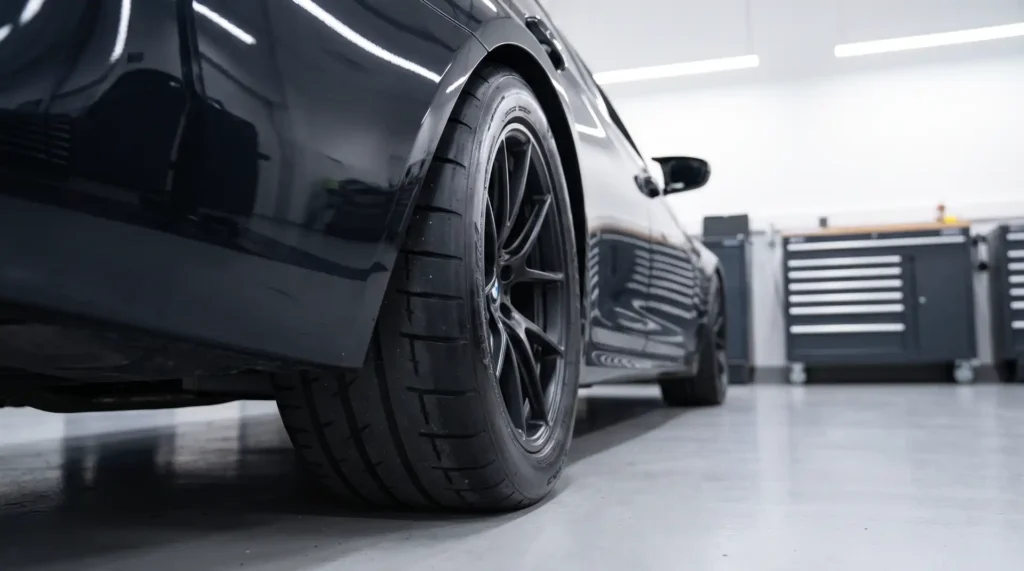
The reason performance drivers gravitate toward 200TW tires is simple: grip changes the entire personality of a car. Even without adding horsepower, better tires can make a vehicle feel more responsive, more planted, and more enjoyable. In many cases, tires are one of the best performance upgrades you can make because they influence acceleration, braking, and cornering all at once.
On a warm, dry road, a quality 200-treadwear tire often feels noticeably sharper than a typical all-season tire. Turn-in response can improve. Mid-corner stability often feels more confidence-inspiring. Braking distances may improve under the right conditions. The car may feel more eager and more connected to the road, especially if you already have supporting modifications such as upgraded suspension or performance alignment settings.
For drivers who already enjoy other handling upgrades, this tire category makes even more sense. If you publish related performance content on your site, this article naturally pairs with topics like suspension upgrades for better handling and brake upgrades for performance driving. Tires are the link between those upgrades and the pavement, so they often unlock the benefits of the rest of the setup.
What Makes 200TW Tires Different From Ordinary Street Tires?
Compared with standard all-season tires, 200TW tires usually have a more aggressive compound and construction. The tread pattern may still include grooves for water evacuation, but the design often prioritizes dry-road contact and stiffness. The sidewalls tend to feel firmer, which helps with steering precision. The tread blocks may also be designed to resist squirm under hard cornering.
In daily driving, that can translate into several noticeable differences. First, steering may feel quicker and more direct. Second, the car can feel more stable during lane changes and highway on-ramps. Third, enthusiastic drivers often notice greater confidence during spirited back-road use. If your daily commute includes smooth roads and you enjoy driving rather than simply getting from point A to point B, this category can feel rewarding every day.
That said, the differences are not all positive. The same features that create sharper handling can also create a firmer ride, more road noise, faster wear, and reduced flexibility in bad weather. A performance-minded driver may accept those tradeoffs. A driver who values comfort above all else may not.
The Real Benefits of 200-Treadwear Tires on a Daily Driver
The biggest benefit is performance confidence. A good 200TW tire can make a car feel more alive, especially if the vehicle already has sporty intentions. Hot hatchbacks, sport sedans, rear-wheel-drive coupes, tuned turbo cars, and autocross builds often pair very well with 200TW options. For these vehicles, the tire can feel like the finishing touch that brings the chassis into focus.
Another benefit is braking feel. Because these tires typically offer better dry traction than basic all-season tires, they can support stronger braking in dry conditions. This can be valuable not only for spirited driving but also for everyday confidence during sudden stops on clean pavement.
There is also the consistency factor for enthusiasts who do occasional events. If you drive to autocross, participate, and drive home on the same tires, 200TW options often make that possible. You may not need a separate wheel-and-tire track setup, which can save storage space and simplify ownership.
Finally, 200TW tires can improve driver engagement. That may sound subjective, but it matters. For many enthusiasts, a daily driver is not just transportation. It is part of a lifestyle. A more responsive tire can make ordinary drives more enjoyable, which is often the whole point of modifying a street car.
The Drawbacks You Need to Consider
The main downside is wear. A 200-treadwear tire typically will not last as long as a more conservative summer tire or all-season tire. If you drive long highway distances every week, your replacement costs can add up quickly. Some drivers are surprised at how fast the tread disappears, especially on heavier vehicles, powerful front-wheel-drive cars, or vehicles with aggressive alignments.
Road noise is another common complaint. Many 200TW tires are louder than comfort-oriented tires. On rough pavement, concrete freeways, or older U.S. highways, that noise can be more noticeable than expected. It does not mean every 200TW model is harsh, but refinement is usually not the category’s top priority.
Ride quality can also suffer. The stiffer sidewall that improves steering response can pass more impact harshness into the cabin. If your car already has lowering springs, coilovers, or large wheels with short sidewalls, the added firmness may make the car tiring to live with on rough roads.
Then there is wet-weather performance. This is where many people make the wrong assumption. Some 200TW tires do surprisingly well in the rain, especially when new, but the category as a whole is generally optimized more for dry grip than heavy-rain daily comfort. As tread depth gets lower, hydroplaning resistance usually gets worse. If you live in a region with frequent storms, standing water, or long wet seasons, that matters.
Cold temperatures are another issue. Most 200TW tires fall into the summer-performance category, which means they do not like winter conditions. In many parts of the U.S., particularly the Midwest, Northeast, and mountain states, these tires may become less effective in cold weather and completely unsuitable in snow or ice. If you daily drive year-round, seasonal climate may be the deciding factor.
Are 200TW Tires Safe for Daily Driving?
Yes, they can be safe for daily driving when used properly, installed correctly, and matched to the right conditions. These are legal street tires, not racing slicks. But safety depends on how honestly you match the tire to your environment and your driving habits.
If your daily route is mostly dry, your climate is mild or warm, and you maintain your tires carefully, 200TW tires can be perfectly reasonable. On the other hand, if you regularly drive in heavy rain, encounter winter temperatures, or ignore air pressure and tread depth, the performance advantage can shrink fast.
Safety also depends on maintenance. Tire pressure, alignment, rotation, and tread inspections matter more when you are running a higher-performance tire. Uneven wear can reduce wet traction. Overinflation or underinflation can change the contact patch. Alignment issues can destroy a set of 200TW tires much faster than many drivers expect.
How They Perform in Typical U.S. Driving Conditions
 How They Perform in Typical U.S. Driving Conditions
In warm states such as California, Arizona, Nevada, Texas, and much of the Southeast, 200TW tires are often easier to justify for a daily driver. Long dry seasons and warm pavement temperatures help them perform near their intended range. If you own a sporty car in Southern California, for example, a 200TW setup may feel natural for both commuting and weekend fun.
In mixed-climate states, the answer becomes more nuanced. Drivers in places like Georgia, North Carolina, Tennessee, or parts of the Mid-Atlantic may enjoy these tires much of the year, but they still need to think carefully about seasonal weather and heavy summer storms.
In colder regions such as Illinois, Michigan, New York, Pennsylvania, Colorado, or Massachusetts, using 200TW tires year-round is usually a poor idea unless the car is stored in winter or switched to another set of tires seasonally. A dedicated summer performance tire can be excellent from late spring through early fall, but not ideal when temperatures drop.
So, the question is not simply whether these tires work on a daily driver. The better question is whether they work on your daily driver, in your state, with your roads and weather.
Who Should Consider 200TW Tires?
If you are the kind of driver who notices steering feel, values handling, and enjoys spirited driving on weekends, there is a strong chance you will appreciate 200TW tires. They make the most sense for someone who wants more than ordinary commuting performance and is willing to accept extra tire wear as the cost of better grip.
They also make sense for drivers who occasionally attend autocross events, open-track days, or canyon-road drives and do not want to maintain a second wheel set. Many enthusiasts prefer a tire that can do both: survive daily driving and show up ready for performance use.
Cars that already have mild performance modifications are especially good candidates. For example, if you have upgraded suspension, more aggressive brake pads, or even power modifications covered in articles like ECU tuning in 2026, better tires help the car use those upgrades more effectively.
In contrast, if your daily priorities are quiet highway comfort, maximum tread life, low replacement cost, and all-weather flexibility, then a 200TW tire may not be the best choice. In that case, a high-quality max-performance summer tire or ultra-high-performance all-season tire may offer a better compromise.
Who Probably Should Skip Them?
If your vehicle is primarily used for long-distance commuting, family transport, or year-round driving in varied weather, you may want to think twice. A tire that wears quickly and performs best in warm dry conditions may not match your needs. Likewise, if your area has lots of potholes, broken pavement, and heavy rain, the sharper handling may not outweigh the reduction in comfort and convenience.
Budget-conscious drivers should also consider the math. If you replace tires frequently, the total annual cost of ownership goes up. That may be acceptable if you truly value the performance. It may not be worth it if the car rarely sees spirited use.
What About Mileage and Cost?
This is where expectations need to stay realistic. Many 200TW tires will wear noticeably faster than ordinary street tires. Exact mileage depends on the tire model, vehicle weight, power, alignment, driving style, road surface, and climate. A carefully maintained set on a lightly driven sports sedan may last a respectable amount of time. The same tire on a powerful front-wheel-drive car driven aggressively could disappear much sooner.
Cost per mile matters more than sticker price alone. A more expensive tire that performs better and lasts reasonably well may actually be a better value than a cheaper tire that wears out quickly or disappoints in the rain. Still, if your daily use is heavy, it is fair to ask whether you will actually enjoy the performance enough to justify the increased replacement frequency.
The best approach is to think of 200TW tires as a lifestyle choice rather than a basic maintenance item. You are paying not just for rubber, but for sharper responses, stronger dry grip, and a more engaging driving experience.
How to Make 200TW Tires Work Better on a Daily Driver
 How to Make 200TW Tires Work Better on a Daily Driver
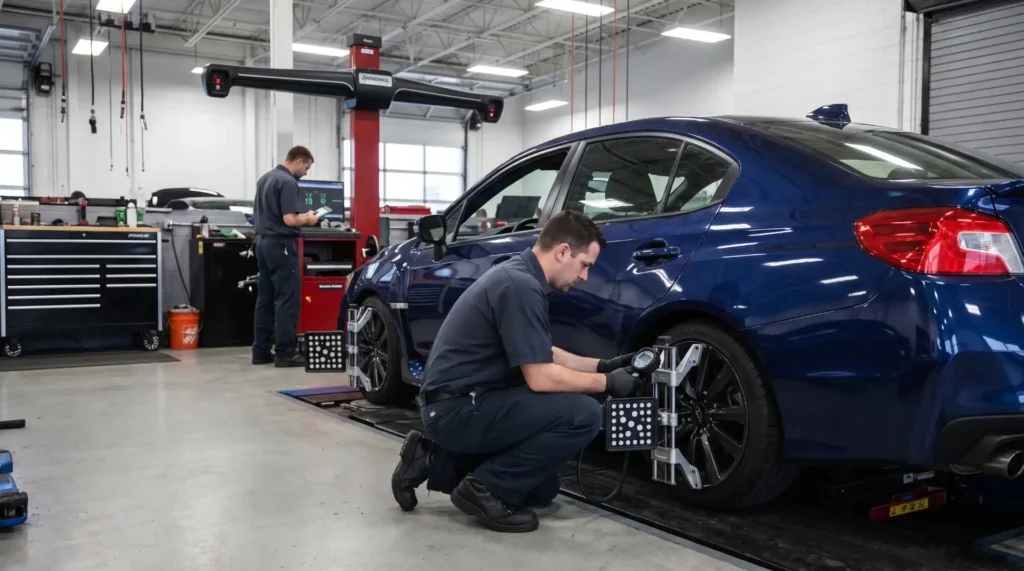
If you decide to run them, setup matters. Start with a good alignment. An aggressive alignment may improve cornering, but too much negative camber for a street-driven car can accelerate inner-edge wear. Daily drivers need a balance between performance and practicality.
Check pressures regularly. Performance tires are more sensitive to pressure changes than many people realize. Incorrect pressure can make the tire feel vague, increase wear, and reduce wet performance. This is especially important when temperatures shift between morning and afternoon or between seasons.
Rotate the tires if your setup allows it. Rotation helps even out wear and can extend usable life. Also inspect the tires often. Watch for shoulder wear, feathering, cupping, or cracking. A tire that delivers excellent grip when healthy may not be forgiving if neglected.
It is also smart to be honest about weather. If a major rainstorm is coming or you live in an area with winter temperatures, understand the limits of your setup. Some enthusiasts run 200TW tires seasonally and switch to another tire for colder months. For many U.S. drivers, that is the best compromise.
So, Are They Worth It?
For the right driver, yes. If you enjoy driving, live in a favorable climate, and accept the shorter tread life, 200TW tires can absolutely be worth it on a daily driver. They can transform steering feel, improve dry-road grip, and make the car more enjoyable every time you get behind the wheel.
For the wrong driver, however, they can become an expensive compromise. If your routine involves heavy commuting, rough roads, frequent storms, or cold winters, you may end up missing the comfort and flexibility of a less aggressive tire. A tire should fit the way you actually use your car, not just the image you want for it.
That is why the best answer is a balanced one. A 200-treadwear tire is not automatically too extreme for daily use, and it is not automatically the perfect upgrade either. It is a performance-focused street tire that rewards enthusiasts who understand the tradeoffs.
Final Thoughts
Among all performance upgrades, tires remain one of the smartest places to spend money because they affect nearly every aspect of the driving experience. If you want your daily driver to feel sharper and more connected, 200TW tires may be one of the most satisfying upgrades you can make. They are especially compelling for sporty cars that see occasional autocross, weekend drives, or aggressive road use in warm climates.
Still, choosing the right tire means being realistic about your priorities. Ask yourself how often you actually drive hard, what weather you deal with, how much road noise you can tolerate, and how often you are willing to replace tires. Once you answer those questions honestly, the decision becomes much easier.
If your goal is maximum excitement from a daily-driven performance car, 200TW tires can be a great choice. If your goal is broad everyday comfort and year-round convenience, you may be better served by a less aggressive option. Either way, understanding the tradeoffs will help you spend your money wisely and build a car that performs the way you want on real American roads.
For more performance-focused upgrades, keep exploring our related guides on ECU tuning, suspension upgrades, and brake upgrade options. Together with the right tire choice, those upgrades can help create a daily driver that is both fun and functional.