
Dyno Tuning vs Street Tuning: Pros and Cons
Tuning is one of the most important parts of building a faster, smoother, and more responsive performance vehicle. You can install upgraded turbos, intakes, exhaust systems, fuel injectors, or even full engine builds, but without proper tuning, those parts may never work together the way they should.
That’s why the debate between dyno tuning and street tuning comes up so often in the US performance community. Both methods are widely used, both can produce excellent results, and both have clear strengths depending on the type of car you drive and what you want from it.
The real question is not which method is universally better, but which method makes the most sense for your build, your goals, and the way you actually drive.
 What Dyno Tuning Really Is
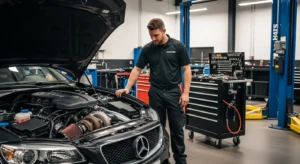
Dyno tuning is performed on a dynamometer, a machine designed to measure horsepower and torque while the car runs under controlled conditions. Most enthusiasts in the United States experience dyno tuning through a chassis dyno, where the vehicle stays fully assembled and runs on rollers while the tuner monitors data.
The major advantage of dyno tuning is consistency. Because the environment is controlled, the tuner can perform repeated pulls under nearly identical conditions. That makes it easier to adjust fueling, ignition timing, boost pressure, and other critical parameters while immediately seeing the results.
Dyno tuning is often the preferred method for high-horsepower builds, turbocharged setups, and track-focused cars because it allows tuners to safely push the engine harder without the unpredictability of real roads.
Why Dyno Tuning Is Popular
One of the biggest reasons dyno tuning remains so popular is the ability to measure real performance output. Drivers want numbers, not guesses. A dyno session provides clear horsepower and torque figures, along with a full power curve that shows how the engine performs across the RPM range.
Dyno tuning is also considered safer in many cases. Street tuning often requires wide-open-throttle pulls that may reach illegal or unsafe speeds. On a dyno, those same tests happen in a shop environment where traffic, road hazards, and weather are not factors.
Another benefit is speed. Because the tuner can make changes and instantly retest, dyno tuning sessions tend to be efficient, especially for cars with major modifications.
The Downsides of Dyno Tuning
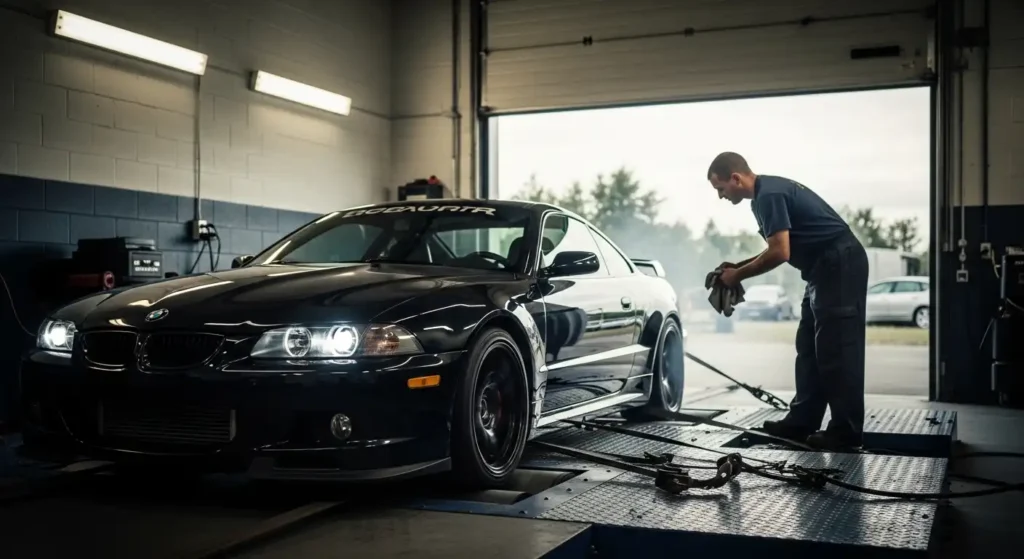
Even though dyno tuning is highly respected, it does come with drawbacks.
Cost is one of the biggest barriers. In many US tuning shops, dyno time is expensive, and full tuning sessions often range from several hundred to well over a thousand dollars depending on the complexity of the build.
Dyno tuning also does not perfectly replicate real-world driving. While dynos simulate load, they cannot fully mimic the airflow, heat, and changing conditions a car experiences on the highway or in stop-and-go traffic. That means some cars may still require additional street refinement afterward, especially if drivability is the main concern.
What Street Tuning Actually Means
Street tuning takes place in real driving conditions rather than on rollers. Instead of measuring horsepower directly, tuners rely on ECU data logs, wideband oxygen sensors, and performance feedback while the car is driven on the road.
Street tuning has become increasingly popular across the US because it reflects how the car behaves in everyday situations. Real airflow, real temperatures, and real throttle transitions all play a role.
For many drivers, street tuning provides a more practical result because it focuses on how the car feels in daily use rather than how it performs in a controlled dyno environment.
Why Street Tuning Works So Well for Daily Drivers
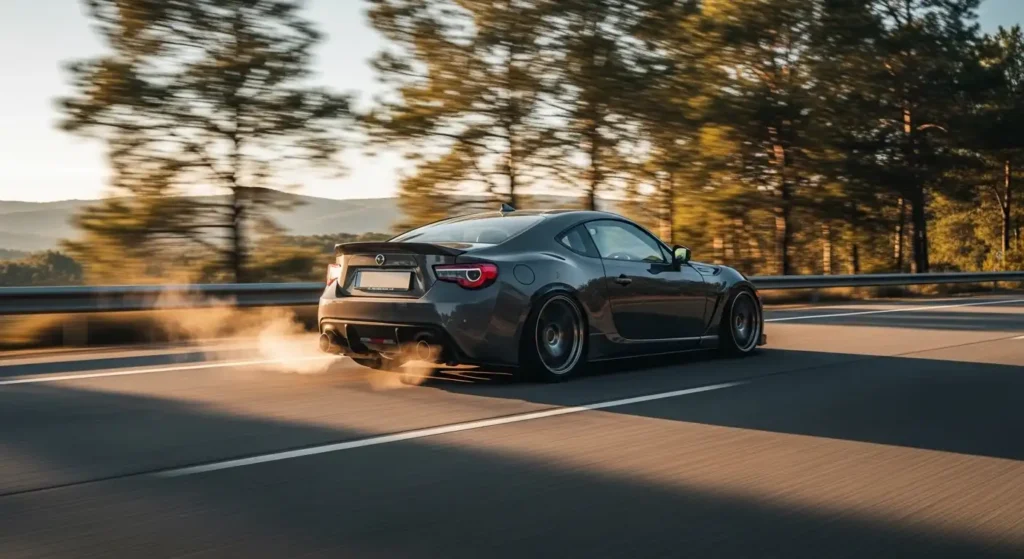
One of the biggest strengths of street tuning is drivability. Street tuning is often ideal for improving cold starts, throttle response, part-throttle fueling, and smooth power delivery.
It is also usually more affordable than dyno tuning because there is no dyno rental involved. Many tuners offer street tuning packages or even remote tuning services, where drivers send logs electronically and receive updated calibration files.
Remote tuning has grown rapidly in the performance world, making street tuning one of the most accessible options for enthusiasts who do not live near a dyno facility.
The Risks and Limitations of Street Tuning
Street tuning does come with challenges.
Safety is one of the biggest concerns. Performing high-load pulls on public roads introduces risks that do not exist in a controlled dyno shop. Traffic, pedestrians, road surface changes, and unpredictable conditions all make street tuning more complicated.
Street tuning also produces less consistent data. Weather, wind, road slope, and temperature shifts can affect results from one pull to the next, making it harder to measure performance changes precisely.
Legal limitations are another factor. Wide-open-throttle testing on public roads may violate local laws, and tuning modifications must always be approached responsibly. The EPA provides guidance on emissions compliance and aftermarket tuning regulations, which is important for US-based enthusiasts to understand.
Dyno Tuning vs Street Tuning: Which One Should You Choose?
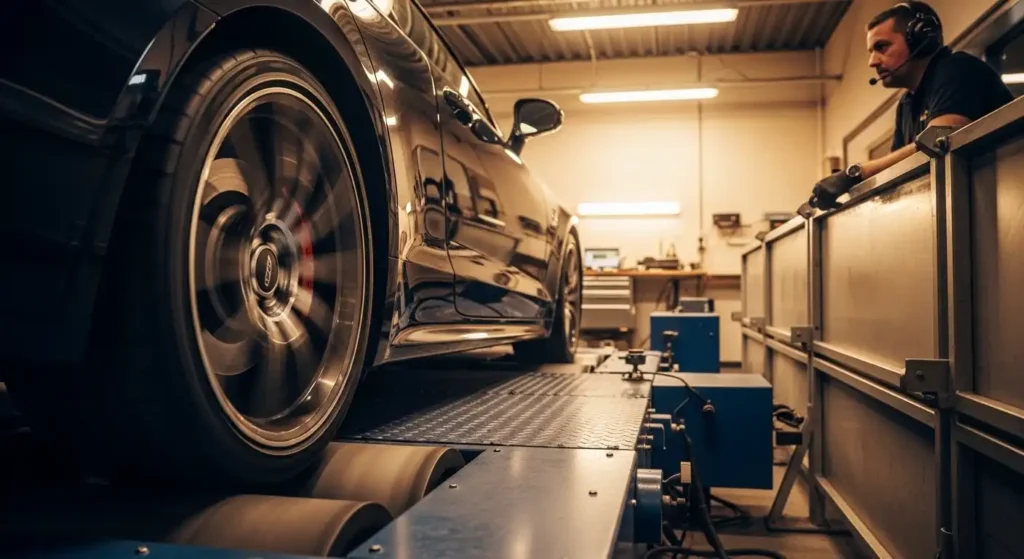
Choosing between dyno tuning and street tuning depends on what you want from your vehicle.
If your goal is maximum horsepower, track performance, or precise power measurement, dyno tuning is often the better fit. The controlled environment, repeatable testing, and safety of a shop setup make dyno tuning ideal for aggressive builds.
If your goal is better drivability, affordability, and real-world refinement, street tuning may be the smarter option. For daily-driven cars, especially lightly modified vehicles, street tuning can deliver excellent results.
In many cases, the best approach is a combination of both. Some enthusiasts dyno tune for peak power, then perform street refinement afterward to ensure the car feels smooth and responsive in everyday driving.
The Future of Performance Tuning
Performance tuning is evolving quickly, especially with the rise of hybrid and electric performance platforms. Tuning today is no longer limited to traditional combustion engines, and the industry is adapting with new software tools, battery management strategies, and advanced calibration methods.
If you want to explore how tuning is changing in the electrified era, you may find this Autosport Performance guide helpful:
