
Hybrid performance tuning is no longer a niche conversation for a few experimental builders. In 2026, it has become one of the most relevant trends in modern street performance because more enthusiasts now see hybrids as real tuning platforms instead of compromise cars. That change makes sense. Modern hybrid systems combine an internal combustion engine with electric motor assistance, which means they can deliver instant low-end torque, strong drivability, and better fuel efficiency than many traditional setups. The challenge is not whether hybrids can be upgraded. The real challenge is how to make them faster without upsetting the balance that makes them attractive in the first place.
That is exactly why this topic fits Auto Sport Performance so well. Your site already covers the evolution of performance tuning, the growing role of hybrids, the value of weight reduction, and the importance of diagnostics in modern builds. Readers can naturally move from this article into your existing posts on how to tune hybrids without compromising efficiency, top hybrid powertrain mods for track use, the future of street performance, why weight reduction matters, and your broader diagnostics content.
Why Hybrid Performance Tuning Is a Major 2026 Trend
Hybrid performance tuning is trending now because the performance world is shifting toward practical speed rather than old-school power numbers alone. For years, many enthusiasts treated hybrids as commuter-focused machines that had little place in tuning culture. That view is outdated. Current hybrid platforms offer torque fill, regenerative energy recovery, sophisticated electronics, and better day-to-day usability than many pure combustion builds. At the same time, the wider industry is leaning harder into hybrid adoption, which means more owners are starting to ask the same question: if hybrids are here to stay, how do you make them genuinely fun to drive?
Why hybrids are becoming real performance platforms
The biggest reason hybrids are attracting more tuning interest is their drivetrain behavior. A traditional combustion engine needs revs and gearing to reach its sweet spot. A hybrid adds electric torque early, which changes throttle response and low-speed punch immediately. That makes the car feel stronger in the real world, not just on paper. It also opens new tuning possibilities because builders can improve how the gas engine and electric system work together instead of only chasing top-end horsepower.
Instant torque is great, but thermal control decides whether the car stays fast
One of the first realities owners learn is that hybrid performance tuning is not only about ECU work or bolt-ons. Heat becomes one of the biggest limiting factors. Batteries, inverters, and power electronics are highly sensitive to thermal stress, especially when the car is driven hard or repeatedly. A hybrid that feels quick for one pull can start reducing power once temperatures climb. That is why serious builds focus on cooling just as much as power. Better battery cooling, smarter airflow, and more accurate temperature monitoring often do more for repeatable performance than a flashy parts list.
This is also where many hybrid owners make mistakes. They assume the same tuning logic used on a turbocharged gas car can be copied directly onto a hybrid platform. It cannot. The system has more moving parts, more software, and more sensitivity to thermal and energy management. If one side of the drivetrain is pushed too hard without supporting upgrades, the result can be inconsistent performance, reduced battery efficiency, or drivability problems that ruin the whole build.
Weight reduction and chassis tuning matter even more on hybrid builds
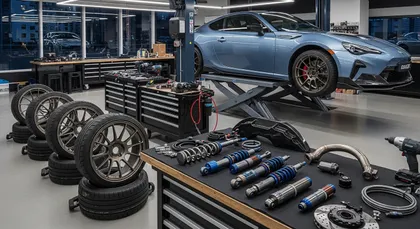
Another reason hybrid performance tuning is taking off is that builders are becoming more realistic about where lap time and street performance actually come from. Many hybrids carry extra mass because of battery packs, cooling hardware, and more complex drivetrains. That added weight affects braking, turn-in, tire wear, and balance. As a result, some of the smartest hybrid upgrades are not huge power mods at all. Lightweight wheels, better tires, suspension tuning, and careful weight reduction can transform the feel of the car without hurting efficiency.
This is why hybrid builds connect so well to your existing article on weight reduction. A lighter wheel and tire package can improve response, reduce unsprung mass, and support both better acceleration and cleaner handling. A well-sorted suspension setup can help the heavier hybrid chassis feel more composed. Hybrid tuning works best when the goal is total vehicle performance, not just dyno bragging rights.
Why hybrid performance tuning needs a smarter strategy than old-school builds
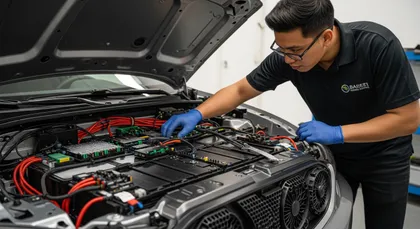
Traditional tuning culture often rewards the biggest gains and the loudest hardware. Hybrid builds punish that mindset fast. The best results usually come from a balanced approach that improves throttle response, energy delivery, thermal control, grip, and braking together. This is also why diagnostics matter so much more now. Modern hybrids rely on sensors, calibration logic, and complex system communication. If the data is wrong, the tuning decisions will be wrong too.
That makes hybrids a natural fit for data-driven builders. Owners who log temperatures, watch charge behavior, monitor power delivery, and tune in stages usually end up with better cars than owners who rush toward peak numbers. Hybrid performance tuning is not slower or less exciting because of that. It is just more technical, and in 2026 that technical side is becoming part of the appeal.
How to Build a Better Hybrid Performance Tuning Setup
The smartest way to approach hybrid performance tuning is to think like an engineer, not just a parts collector. Every change affects more than one area of the car. A tune may sharpen throttle response but increase heat. Larger wheels may add grip but also increase rotational mass. A more aggressive braking setup may improve confidence but alter the car’s regenerative braking behavior. That does not mean upgrades are risky by default. It means the build needs a plan.
How to start hybrid performance tuning the right way
A strong hybrid build usually starts with a baseline. Before adding power, the car should be healthy, predictable, and properly diagnosed. That means checking for system faults, confirming battery health, making sure cooling systems are working correctly, and understanding how the vehicle behaves in stock form. Without that baseline, it is too easy to blame a tuning part for a problem that was already there.
Start with diagnostics, then tune in stages
This is where a staged build wins. Begin with diagnostics and a realistic goal. Do you want a sharper street car, a better canyon runner, or a capable track-day hybrid? Once that goal is clear, upgrades become easier to prioritize. Many owners are better off starting with tires, suspension, cooling support, and conservative software refinement instead of jumping straight into aggressive changes. A staged approach also makes it easier to spot what actually improved the car and what only added cost.
It is also smart to think about tuning method. Some platforms respond better to controlled dyno tuning because repeatable conditions make it easier to monitor temperatures, torque curves, and system behavior. Others need street validation because real airflow, rolling load, and road use expose issues a dyno can miss. That makes your site’s dyno-versus-street tuning content a natural companion to this topic, even if the final answer is often a combination of both.
Protect efficiency, emissions compliance, and drivability
The best hybrid performance tuning does not ruin what makes the car useful. That matters because most hybrid owners still want range, daily comfort, and decent fuel economy. A successful build should feel quicker, sharper, and more enjoyable without turning the car into a constant compromise. In practice, that means avoiding modifications that create excessive heat, confuse factory controls, or push the car outside emissions rules. It also means working with parts and calibration choices that are designed for hybrid compatibility, not generic one-size-fits-all tuning trends.
For readers who want an outside authority link, the U.S. Department of Energy’s hybrid vehicle explainer is a strong resource for understanding how hybrid systems actually work. It also helps explain why balance matters so much. SEMA’s coverage of expanded EV and HEV support shows the aftermarket is taking electrified tuning seriously, which reinforces that this is not a passing fad.
Hybrid performance tuning is trending in 2026 because it sits right at the intersection of modern technology and enthusiast culture. Hybrids are becoming more common, more capable, and more interesting as tuning platforms. The builders who get the best results will be the ones who respect the system, use data, manage heat, reduce unnecessary weight, and upgrade in a way that improves the whole car instead of one headline number. That is what makes a hybrid build fast not just once, but every time you drive it.