
In recent years, a growing number of rare classic car buyers in the United States have embraced a transformative trend: restomodding. This combination of “restoration” and “modification” allows classic car enthusiasts to preserve the soul and aesthetic of iconic vintage cars while upgrading them with modern technologies, performance capabilities, and safety features. The result is a blend of old-world charm and new-world performance — offering the best of both worlds.
Restomodding has surged in popularity, particularly among those who want to drive these rare vehicles not only for display but as usable, daily-drivable cars. Enthusiasts are taking everything from muscle cars to European sports cars, upgrading engines, suspensions, and interiors to create a driving experience that meets modern standards without losing the vintage character that made these cars famous.
In this article, we explore which rare classic cars are currently being restomodded, why buyers are investing in restomods, how to restomod your own classic car, and what buyers can expect in terms of costs, performance, and customization options.
What Exactly Is a Restomod?
A restomod is a classic car that’s been restored and then modified with modern technology, components, and systems. Unlike a standard restoration, which aims to return a car to its original factory condition, a restomod integrates new parts and performance upgrades that improve the car’s driveability, safety, and comfort.
The restomod trend started as a way to keep beloved classic cars on the road while making them more reliable and enjoyable to drive. Buyers are increasingly choosing restomods because they combine the nostalgia of classic designs with the functionality of modern vehicles, making these builds appealing for enthusiasts who want the aesthetic appeal of a vintage car without the constant headaches that come with driving an original, aged vehicle.
Some key features commonly found in restomods include:
- Modern Engines and Drivetrains: Newer fuel‑injected engines that provide more power and efficiency than the old carbureted systems.
- Suspension and Braking Upgrades: Performance shocks, coilovers, and disc brakes for better handling and stopping power.
- Interior Overhaul: Custom interiors with modern amenities like air conditioning, leather seating, and infotainment systems.
- Safety and Comfort: Features like power steering, airbags, modern lighting, and better sound insulation.
 Why Are Rare Classic Cars Being Restomodded Today?
 Why Are Rare Classic Cars Being Restomodded Today?
Several factors have led to the rise of restomodding as the preferred option for many classic car buyers. Understanding these reasons can help you decide if a restomod is the right choice for you.
1. Performance Improvements for Modern Roads
Older cars, especially muscle cars from the 1960s and 1970s, were designed for performance in an era of lower speeds, less traffic, and fewer safety standards. While these cars have tons of character and style, they weren’t designed to handle modern roads, speeds, or the technology available today. Restomodding allows these cars to be more reliable, faster, and safer, while keeping their classic appearance intact.
For example, the addition of modern fuel injection, better handling suspension systems, and upgraded engines makes classic muscle cars much easier to drive, more responsive, and more reliable — while still retaining their vintage appeal.
2. Usability Without Sacrificing Style
For many classic car buyers, it’s not enough to have a car that’s simply a showpiece. They want to drive it regularly, take it on road trips, and enjoy it as a part of their daily lives. Restomods offer the best of both worlds by combining the style and aesthetic appeal of a vintage car with the modern comforts we’ve come to expect from new vehicles, such as:
- Air conditioning
- Power windows and locks
- Infotainment systems
- Advanced sound systems
These modern amenities make restomods far more comfortable and livable compared to the factory‑original versions.
 3. Long-Term Value and Investment Potential
 3. Long-Term Value and Investment Potential
Classic cars are great investments, but original cars in pristine condition are increasingly difficult to find — and even harder to keep on the road. Restomodding, on the other hand, offers a way to keep a classic car’s value intact while enhancing its performance and roadworthiness.
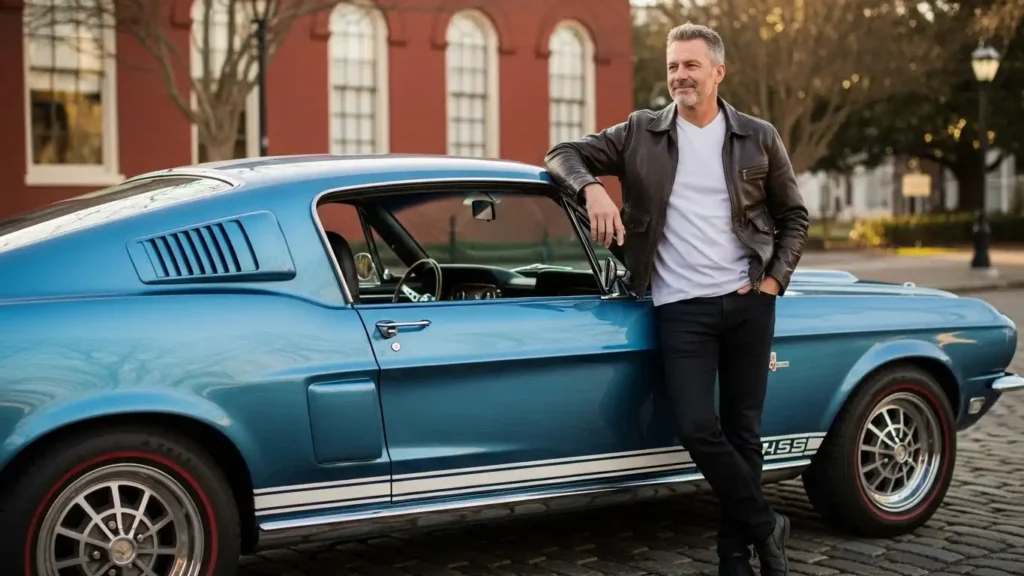
In fact, certain well-executed restomods can increase the value of the vehicle, as they often represent a higher standard of engineering and craftsmanship than the factory model ever had. This trend is particularly noticeable among rare or high-demand vehicles, such as the 1967 Shelby GT500 Mustang, which can be restomodded with modern V8 powertrains while retaining the iconic body.
4. Emotional Connection and Nostalgia
For many buyers, the allure of classic cars lies in nostalgia — these vehicles represent an era of style, performance, and craftsmanship that evokes fond memories of the past. However, the realities of owning a vintage car (like the high maintenance costs, limited safety features, and poor fuel economy) can make it impractical for modern use. Restomodding allows buyers to keep the emotional connection to a car while benefiting from the advantages of modern technology.
Top Rare Classic Cars Being Restomodded Today
Let’s take a deeper dive into the types of rare classic cars that buyers are restomodding today. These vehicles are being transformed into cutting-edge restomods, often with impressive results that mix vintage aesthetics with modern performance.
1. 1967–1969 Chevrolet Camaro
The Camaro is one of the most iconic American muscle cars of all time. The first-generation Chevrolet Camaro (1967–1969) is still a top choice for restomodding, especially among buyers looking to preserve the muscle car heritage while upgrading to modern performance standards. Buyers typically opt for:
- LS or LT V8 engine swaps for more horsepower and better drivability
- Modern suspension systems like coilovers and upgraded shock absorbers for improved handling
- Bigger brake kits for enhanced stopping power
Restomodded Camaros now combine the muscle car style with modern drivability and can achieve speeds and handling that weren’t possible in the 1960s.
2. 1969–1970 Ford Mustang Mach 1
The Ford Mustang Mach 1 from the late 1960s is a favorite restomod platform due to its distinctive look and performance heritage. Buyers often go for:
- Coyote V8 engine swaps to bring the car into the 21st century in terms of performance and reliability
- Independent rear suspension conversions for better handling and smoother rides
- Upgraded fuel systems and braking systems to complement the powertrain upgrades
The result is a car that is as fast as it is fun to drive, while retaining the classic Mustang styling that made it a legend.
3. 1970 Dodge Challenger
The 1970 Dodge Challenger remains one of the most desirable muscle cars, particularly the R/T and T/A models. These cars are often restomodded with:
- HEMI engine swaps or modern HEMI V8s for extreme power
- Stronger rear axles and modern suspension kits for better control during aggressive driving
- Performance-oriented interiors with custom seats and high-tech instrumentation
Restomodding a Challenger takes the car’s legendary performance to the next level, making it more capable on the road or track.
4. 1960s Jaguar E‑Type
The Jaguar E-Type is regarded as one of the most beautiful cars ever made. Restomod enthusiasts gravitate towards it because:
- Modern braking and suspension systems provide much-needed updates
- Upgraded engines such as Jaguar XK6 or V8 engines offer better reliability
- Custom interiors can bring the cabin up to modern standards while respecting the car’s elegant design
An E-Type restomod retains its grace while being more comfortable, practical, and fun to drive.
5. 1970 Porsche 911
The Porsche 911 from the late 1960s and early 1970s is an iconic sports car that is an excellent candidate for restomodding. Common restomod upgrades include:
- Fuel-injection conversions for improved engine performance and efficiency
- Coilover suspension kits for better handling on twisty roads and racetracks
- Lightweight materials and modern tires for better grip and agility
These restomodded 911s bridge the gap between vintage charm and modern driving performance.
What to Expect When Building a Restomod
For those looking to build their own restomod, there are several key considerations to keep in mind.
1. Costs of Building a Restomod
Restomodding a classic car isn’t a cheap endeavor. Here’s a breakdown of the typical costs associated with a restomod build: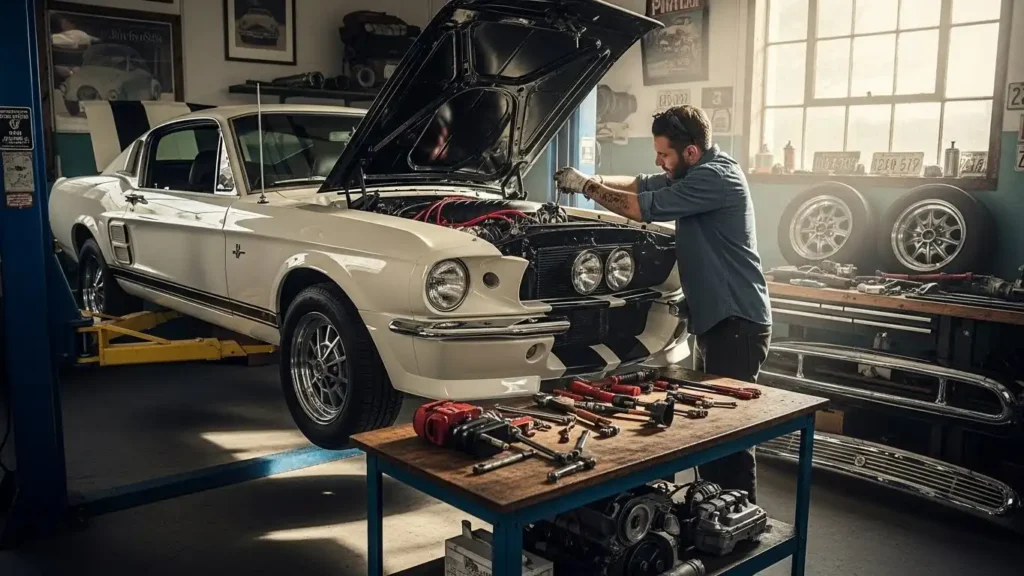
- Initial Vehicle Purchase: Depending on the model, a classic car can cost anywhere from $15,000 to $100,000+, especially if you’re starting with a rare, sought‑after vehicle.
- Engine and Drivetrain: Engine swaps, such as the popular LS or Coyote V8, can cost $10,000–$40,000, including installation.
- Suspension and Brakes: Upgrading the suspension and brakes can range from $5,000 to $15,000, depending on the level of performance.
- Interior: Customizing the interior, including modern amenities and upholstery, can cost anywhere from $3,000 to $12,000.
- Paint and Bodywork: High-quality paint jobs and bodywork may range from $8,000 to $30,000, depending on the complexity and finish.
A fully built restomod can cost $50,000 to $150,000 or more depending on the level of performance and customization desired.
2. Finding the Right Shop or DIY Approach
Building a restomod requires specialized knowledge. Some enthusiasts choose to do much of the work themselves, while others opt to work with a professional restomod shop. It’s important to research local shops and assess their experience, as the quality of work can vary significantly.
3. Knowing When to Stop Modifying
Many buyers fall into the trap of continually upgrading their restomod vehicles. While there’s nothing wrong with continually improving your car, it’s important to know when to stop. Keep in mind that excessive modification can lead to increased costs, maintenance headaches, and even diminished resale value if not done correctly.
Conclusion — The Future of Restomods in the US
Restomodding is an exciting and growing movement that continues to gain momentum among classic car buyers in the United States. By embracing modern technologies, performance upgrades, and comfort features, rare classic cars are being given new life, allowing them to be enjoyed by a new generation of drivers. Whether you’re a seasoned enthusiast or a first‑time buyer, restomodding offers the chance to own and drive a unique piece of automotive history that’s been reimagined for today’s roads.
As the restomod movement continues to evolve, expect to see even more exciting builds, a wider selection of available parts, and increased investment in making these cars both performance machines and timeless classics.
