
Motorsport in the United States continues to evolve rapidly in 2026, blending cutting-edge technology, rule changes, and fan engagement strategies. NASCAR, IndyCar, and F1 each bring unique excitement to the racing calendar, but they share a common focus on innovation, safety, and performance. For fans, teams, and industry professionals, understanding the trends driving U.S. motorsport this year is essential. From hybrid technologies influencing performance to strategic adjustments to race formats, 2026 promises to be a pivotal year for racing in America.
 NASCAR 2026: Speed, Strategy, and Technology
 NASCAR 2026: Speed, Strategy, and Technology
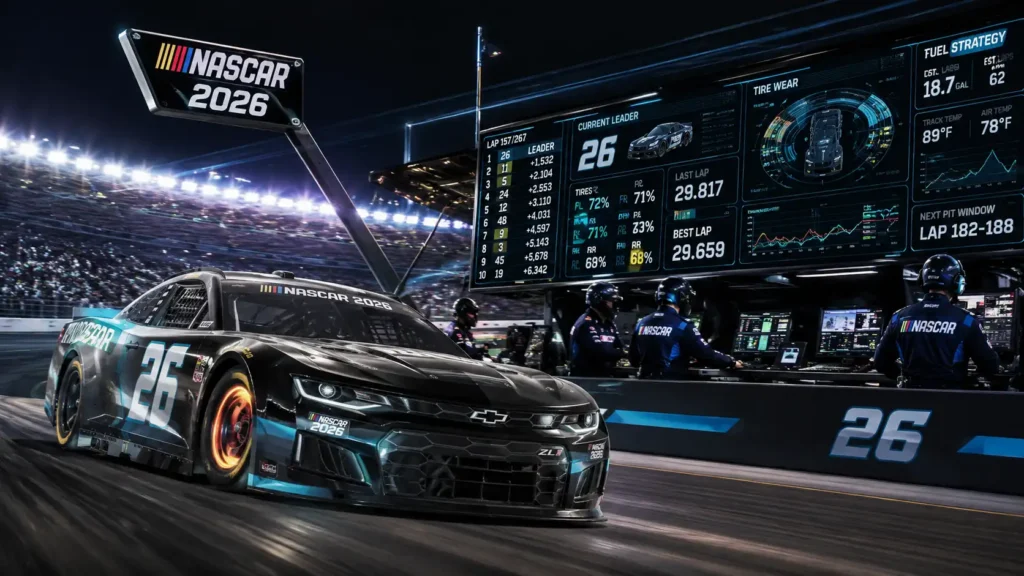
NASCAR remains one of the most popular motorsport series in the U.S., and 2026 introduces several notable trends. The series has increasingly integrated data analytics and performance telemetry to optimize car setup, tire strategy, and fuel management. Teams now rely on advanced simulation software to anticipate track conditions, giving drivers a competitive edge during the race.
Car manufacturers are also experimenting with lighter materials and aerodynamic improvements, which allow higher speeds without sacrificing safety. The push toward sustainable practices has seen the introduction of more environmentally conscious fuel blends and energy-efficient systems. These innovations not only improve track performance but also appeal to younger, tech-savvy fans.
Driver training is evolving in parallel with technology. Simulators now replicate precise track conditions, helping drivers practice fuel-saving techniques, drafting, and overtaking strategies. This ensures that both rookie and veteran drivers maintain peak performance throughout the grueling NASCAR season.
Fan engagement also drives trends in NASCAR. Series organizers are experimenting with interactive digital platforms, augmented reality broadcasts, and real-time analytics displays, allowing spectators to understand strategies and performance metrics as races unfold. This emphasis on tech-driven fan experience is reshaping how the sport connects with its audience.
IndyCar 2026: Precision, Pit Strategy, and Engineering Innovation
IndyCar racing continues to emphasize engineering precision and strategic pit management. One of the most noticeable trends in 2026 is the integration of hybrid-assisted power units in select teams. These systems improve acceleration out of corners and contribute to fuel efficiency, reflecting a broader push toward sustainable yet high-performance racing technologies.
Aerodynamics remain a focal point, particularly with new bodywork regulations designed to reduce turbulent airflow and improve overtaking opportunities. Engineers are leveraging computational fluid dynamics (CFD) to refine every aspect of car design, from front wings to rear diffusers, ensuring that performance gains are fully compliant with series rules.
Pit strategy is increasingly sophisticated, as teams combine real-time data with predictive algorithms to determine optimal tire changes and refueling windows. These decisions often determine race outcomes, highlighting the importance of data science alongside driver skill.
The driver landscape in IndyCar has also evolved. Teams are blending veteran experience with younger drivers who bring fresh insights from international racing circuits. This diversity encourages innovation in driving techniques, racecraft, and team coordination.
Fans can expect a more engaging spectator experience through enhanced broadcast technologies, including onboard telemetry, 360-degree video feeds, and predictive analytics that illustrate race probabilities. By bringing the inner workings of the sport into the spotlight, IndyCar strengthens its connection with audiences and sponsors alike.
 F1 Trends Impacting U.S. Motorsport
 F1 Trends Impacting U.S. Motorsport
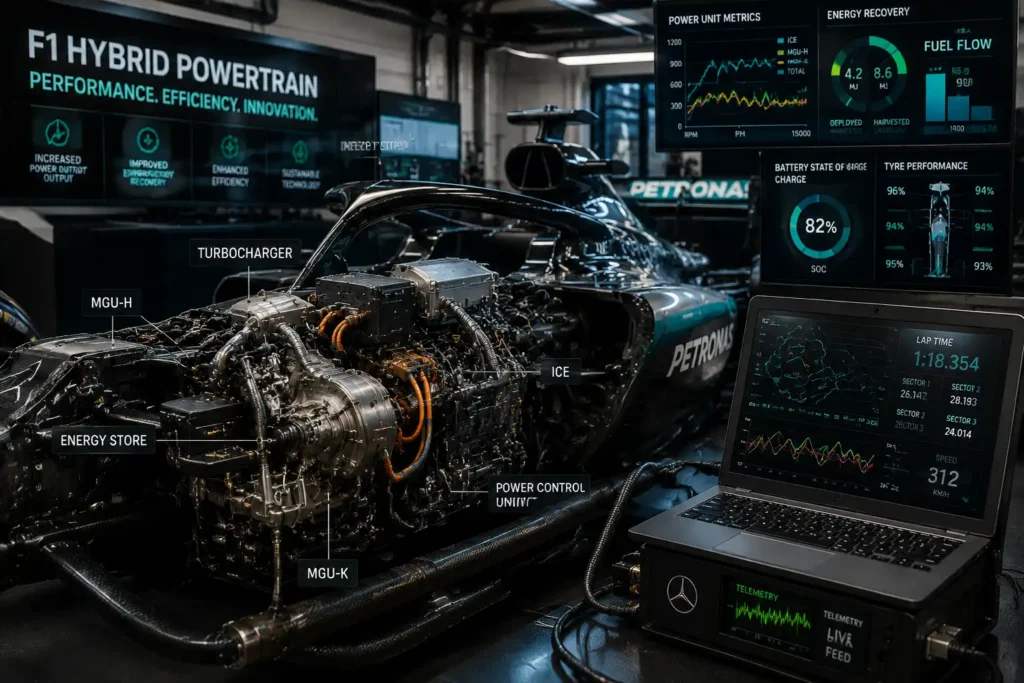
Formula 1 has steadily grown its presence in the U.S., with races such as the Miami Grand Prix and Las Vegas Grand Prix attracting international attention. The 2026 season is characterized by advanced hybrid powertrains, energy recovery systems, and refined aerodynamics. These developments are setting a benchmark for U.S.-based motorsport teams seeking to remain competitive globally.
F1 teams are leveraging AI-driven performance analysis to optimize every element of car design. This includes tire wear prediction, braking performance, and fuel efficiency. These technologies trickle down to U.S. series like IndyCar and NASCAR, as teams adopt similar analytics platforms to gain competitive advantages.
Rule changes in F1 are also influencing car development trends in the U.S. For example, the enforcement of standardized components and cost caps encourages innovation within tighter budgets, pushing engineers to focus on creative efficiency improvements rather than purely expensive upgrades.
Driver development is evolving, with a focus on versatility and adaptability. F1 drivers must manage hybrid energy deployment, tire degradation, and race strategy in real time. U.S. motorsport is increasingly mirroring these demands, with teams emphasizing data literacy and strategic thinking in driver training programs.
Emerging Technologies Across U.S. Motorsport
 Emerging Technologies Across U.S. Motorsport
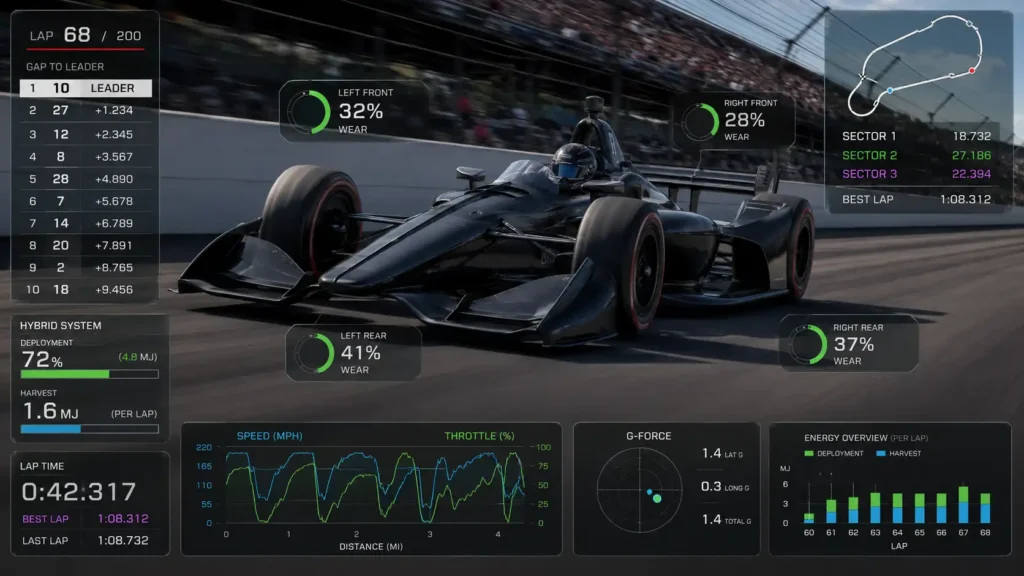
Across NASCAR, IndyCar, and F1, technology is a consistent driver of change. Hybrid systems, advanced telemetry, AI-powered analytics, and enhanced simulation tools are transforming race preparation, strategy, and fan engagement. These innovations improve performance consistency, safety, and efficiency.
Safety technology also remains a priority. Crash-resistant chassis, advanced materials, and improved restraint systems protect drivers while allowing vehicles to handle higher speeds safely. Enhanced track monitoring and predictive algorithms reduce the likelihood of accidents and ensure quicker response times when incidents occur.
Another emerging trend is sustainability in motorsport. Teams are adopting more energy-efficient processes, exploring alternative fuels, and reducing carbon footprints. This approach resonates with sponsors and fans while preserving motorsport’s technological edge.
Fan Engagement and Digital Platforms
The evolution of U.S. motorsport extends beyond the track. Fans now interact with racing in unprecedented ways, through apps, AR/VR experiences, and interactive race-day analytics. Social media platforms, live streaming, and predictive race dashboards enhance fan understanding and enjoyment.
Esports is also playing a role. Virtual racing series allow fans and aspiring drivers to experience realistic motorsport simulations. This connection between digital and physical racing cultivates interest in motorsport among younger audiences and introduces a new generation of enthusiasts to NASCAR, IndyCar, and F1.
Economic and Cultural Impact
U.S. motorsport continues to generate significant economic activity. Race events stimulate local economies, attracting tourism and media attention. Sponsorships, merchandising, and media rights contribute to financial growth, allowing teams to invest in technology and talent.
Culturally, motorsport remains a symbol of innovation, performance, and competitive spirit. Trends in 2026 reflect an industry that honors tradition while embracing technology, sustainability, and global connectivity. U.S. audiences are increasingly drawn to the mix of speed, strategy, and technical sophistication, making motorsport both a spectator sport and a technological showcase.
Conclusion
The 2026 U.S. motorsport season is defined by technology, strategy, and fan engagement. NASCAR continues to prioritize speed and data-driven race tactics, while IndyCar emphasizes engineering precision and hybrid integration. F1 sets global benchmarks in hybrid technology, AI-driven analytics, and aerodynamics, influencing U.S. teams and racing culture. Across all series, trends point toward sustainability, digital integration, and innovative fan experiences.
For enthusiasts, teams, and industry professionals, understanding these trends is essential. From emerging hybrid systems to AI-driven analytics, the landscape of U.S. motorsport in 2026 is more exciting and dynamic than ever. The season promises thrilling races, strategic complexity, and a forward-looking approach that blends tradition with innovation.