
Car owners often dread the moment when their dashboard lights up with a warning, especially the infamous “Check Engine” light. The good news is that many of the issues triggering these lights can be diagnosed and resolved before they become serious problems. But how does that process work? The answer lies in vehicle diagnostics—a critical process that gives insight into your car’s condition using its built-in computer system.
This blog post will explain vehicle diagnostics, the importance of diagnostic codes, and what you should expect when taking your car to a repair shop. Understanding these processes ensures you can make better, more informed decisions about your car’s health and avoid unnecessary repairs. Here’s everything you need to know about what your shop should be telling you when it comes to vehicle diagnostics.
 What Are Vehicle Diagnostics?
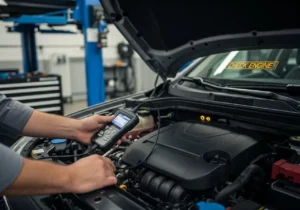 What Are Vehicle Diagnostics?
 Vehicle diagnostics refer to the method of using a device to assess the functionality and health of your car’s various systems. Most modern cars are equipped with an Onboard Diagnostic (OBD) system, which is a network of sensors and controllers that constantly monitor the performance of components like the engine, transmission, brakes, and exhaust system. When something goes wrong, these sensors record Diagnostic Trouble Codes (DTCs), which can be retrieved using a diagnostic tool to pinpoint the issue.
The diagnostic process usually begins with a technician plugging a device into your car’s OBD-II port, typically located under the dashboard. The device reads the trouble codes stored in the system, providing valuable insight into your vehicle’s performance. By interpreting these codes, mechanics can detect faults, identify underlying issues, and assess the condition of various vehicle components.
Why Are Diagnostics Important for Your Car?
Vehicle diagnostics provide a number of key benefits, both in terms of routine maintenance and diagnosing unexpected issues. Below are some of the primary reasons diagnostics are essential for your car:
- Preventing Major Issues: Diagnostic tests can catch minor problems early before they escalate into major repairs. For example, if a faulty sensor is triggering a warning light, addressing it early might prevent more expensive repairs down the line.
- Saving Money: By identifying the root cause of an issue accurately, diagnostic tools can save you money by helping technicians fix the specific problem instead of replacing parts that may not need replacing.
- Ensuring Vehicle Safety: Diagnostics also help detect issues with critical systems such as brakes, airbags, or the engine that can compromise your safety. Early detection allows for prompt repairs that ensure you’re not driving a dangerous vehicle.
- Boosting Vehicle Performance: By regularly diagnosing your car’s systems, you can ensure optimal performance. Sometimes, seemingly small issues can cause reduced fuel efficiency or power loss. A diagnostic check can help restore your vehicle’s peak performance.
Common Diagnostic Tools Used by Auto Shops
There are various types of diagnostic tools used by auto shops, ranging from basic code readers to more advanced professional scan tools. Here’s an overview of the common tools: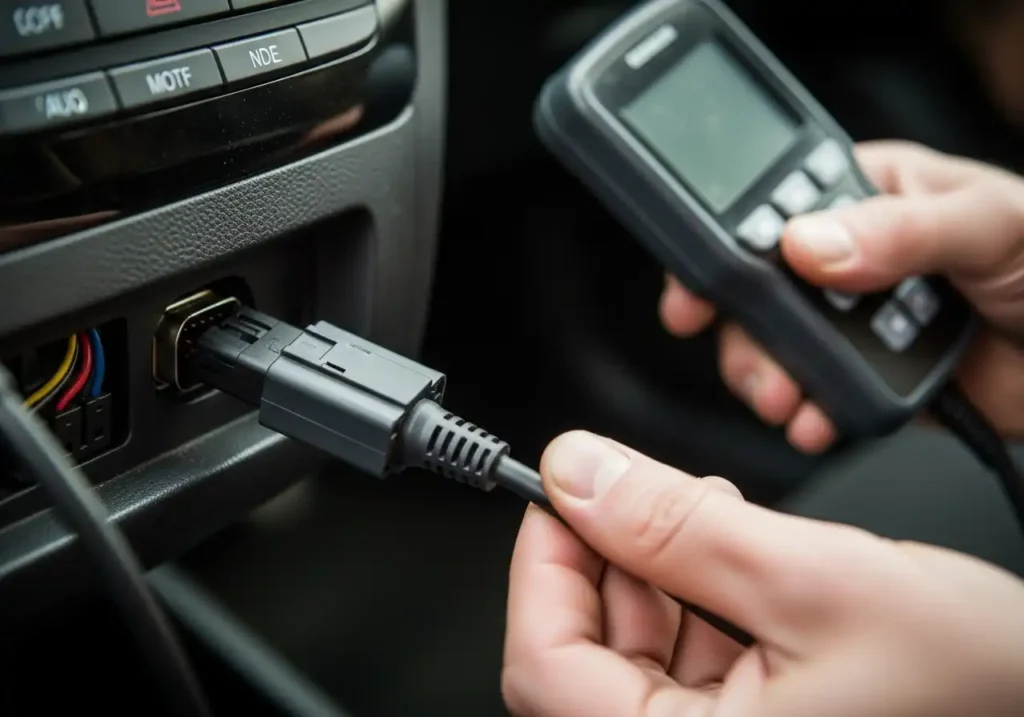
- OBD-II Scanner: This is the most basic type of diagnostic tool, and it’s the one most commonly used by both DIYers and professional mechanics. OBD-II scanners can plug into your car’s OBD-II port and read trouble codes to help diagnose common issues. The codes are typically alphanumeric (e.g., P0301 or P0420), providing information on which system is malfunctioning.
- Scan Tools: Scan tools are a step above the basic OBD-II scanners. They provide more features, such as the ability to read live data from various vehicle sensors, perform system resets, and retrieve historical data. These tools are typically used by professional technicians for a deeper diagnostic analysis.
- Advanced Diagnostic Tools: Advanced diagnostic tools, often used by dealerships and repair specialists, offer comprehensive diagnostics for various vehicle modules, including engine, transmission, ABS brakes, airbags, and more. These tools are typically connected to a computer or tablet and can provide much more detailed insights into the car’s performance.
Understanding these tools is crucial because they give you an idea of what your shop should be using to conduct a thorough and accurate diagnosis of your car’s systems.
Understanding Diagnostic Trouble Codes (DTCs)
Diagnostic Trouble Codes (DTCs) are the main language of vehicle diagnostics. These codes are generated by your car’s computer system and represent a specific issue or malfunction within a particular component or system. There are thousands of possible DTCs, but most codes will fall under a few general categories, such as:
- P Codes (Powertrain Codes): These codes are related to the engine and transmission. For example, P0301 might indicate a misfire in cylinder 1, and P0420 could signal a problem with the catalytic converter.
- B Codes (Body Codes): These codes typically relate to the vehicle’s body and electrical systems, such as airbags and seatbelt sensors.
- C Codes (Chassis Codes): These refer to the vehicle’s braking, steering, or suspension systems.
- U Codes (Network Codes): These codes refer to communication issues between the different control modules in your car, such as problems with the vehicle’s electronics or sensors.
Each code points to a specific issue, which can help the technician diagnose and repair the problem efficiently. However, keep in mind that a single DTC might not tell the whole story. Multiple codes can often point to a more complex problem that requires further investigation.
What Should a Shop Tell You About Diagnostic Results?
When you visit a repair shop for diagnostics, it’s essential that the mechanic explains the results clearly. A reputable shop will not just hand you a printout of codes; they will also break down the findings in a way that makes sense. Here’s what a professional mechanic should tell you:
- Clear Explanation of Codes: The mechanic should explain what each diagnostic code means in simple terms, including which vehicle system is affected (e.g., engine, brakes, transmission).
- Severity of the Issue: Not all codes point to urgent problems. The shop should inform you about the severity of the issue and whether it’s safe to drive the car immediately or if you should prioritize repairs.
- Recommended Repairs: A skilled technician will provide recommendations on how to fix the issue. This could include part replacements, fluid checks, or recalibrations. They should also give you a clear cost estimate and time frame for the repairs.
- Follow-up Recommendations: Sometimes, diagnostics reveal multiple potential issues that need attention over time. The shop should suggest a timeline for addressing these issues in a cost-effective way.
How Diagnostics Can Help Prevent Major Repairs
One of the most significant advantages of vehicle diagnostics is their ability to identify problems early before they escalate into major, expensive repairs. For example, a simple diagnostic test may detect a malfunctioning oxygen sensor, which could lead to poor fuel economy and engine misfires. Fixing this early may prevent further damage to the engine or exhaust system, saving you from costly repairs down the road.
Furthermore, by regularly checking your car’s systems, you can stay ahead of wear and tear on parts like belts, hoses, and filters, all of which can be replaced before they cause catastrophic failures. This proactive approach to maintenance not only keeps your car running efficiently but also helps preserve its longevity.
How to Make the Most of Your Diagnostics Report
When your mechanic provides you with a diagnostic report, it’s essential to make the most of it. Here are some steps you can take to ensure you understand and use the information effectively:
- Ask Questions: If you don’t understand something in the report, ask the technician to explain it. A good shop will be happy to walk you through the findings in layman’s terms.
- Request a Written Estimate: Always ask for a written estimate of the repair costs based on the diagnostic findings. This helps you make informed decisions.
- Prioritize Repairs: Not all repairs need to be done immediately. Use the diagnostic report to prioritize the most urgent issues and plan for others over time.
What to Expect During a Diagnostic Session at the Shop
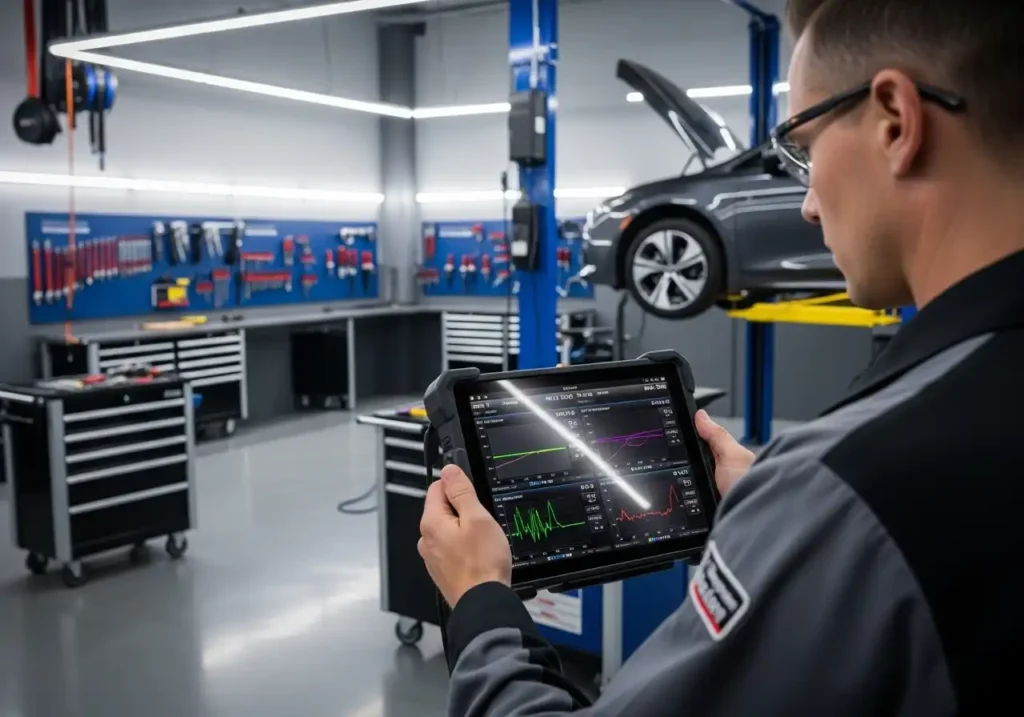 What to Expect During a Diagnostic Session at the Shop
Typically, a diagnostic session at a shop involves the following steps:
- Initial Assessment: The mechanic will discuss any symptoms or warning lights you’ve noticed and ask about your car’s performance.
- Plugging in the Diagnostic Tool: The technician will plug a scanner into your car’s OBD-II port and begin reading the diagnostic trouble codes (DTCs).
- Code Interpretation: The mechanic will interpret the codes and check the corresponding systems and components.
- Repair Recommendations: Once the diagnosis is complete, the shop will present their findings and offer recommendations for repair or maintenance.
When to Seek a Second Opinion
Sometimes, the diagnosis provided by one shop may seem off, or you may feel uncomfortable with their recommendations. In these cases, seeking a second opinion is perfectly reasonable. Another mechanic may provide a different perspective or confirm the first diagnosis, helping you make a more confident decision.
Conclusion: Empowering Yourself with Diagnostic Knowledge
Understanding vehicle diagnostics can significantly improve your experience when taking your car in for repairs. Not only will you know what to expect, but you’ll also be able to make better decisions about repairs and maintenance. By being informed, you can save money, prevent major problems, and ensure that your vehicle is running smoothly for years to come.
